

If you have ever visited developed countries, you are likely familiar with prefabricated structures. Abroad, people greatly appreciate the architecture and advantages that modular houses offer. However, in our country, the concept of prefabricated houses is still not widely known among the general public. Therefore, in this article, we aim to help you gain a clearer understanding of issues related to prefabricated houses.
What is a Prefabricated House?
To understand the concept of a prefabricated house, we can break down the term itself: “prefabricated” means “produced in advance.” A prefabricated house is constructed from components manufactured in a factory according to technical drawings. The assembly takes place directly at the construction site. Since most production processes for the components occur in a factory, they are made to precise specifications and dimensions. This approach significantly optimizes construction time and investment costs. Moreover, it can be applied to a variety of construction projects serving different purposes..
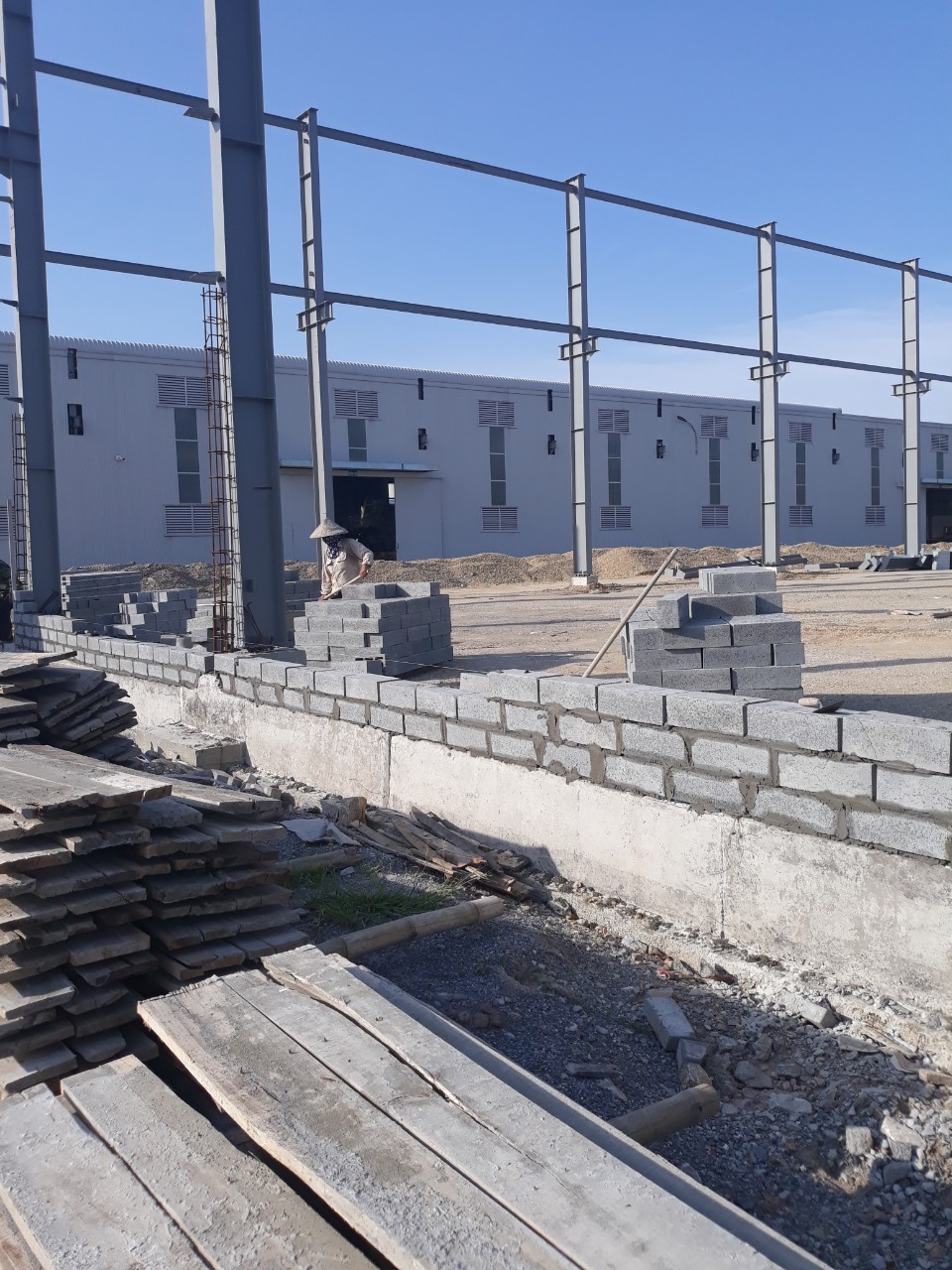
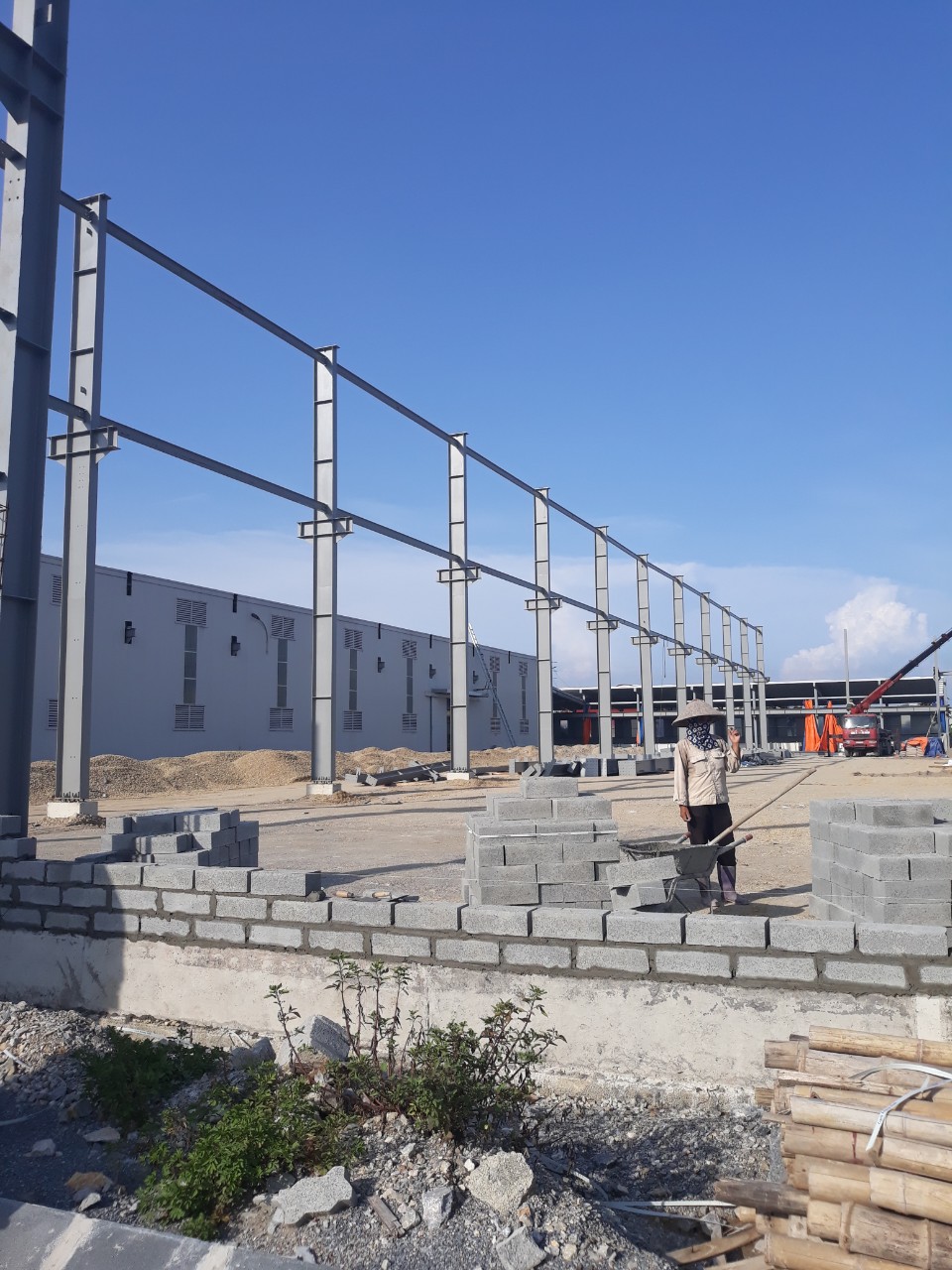
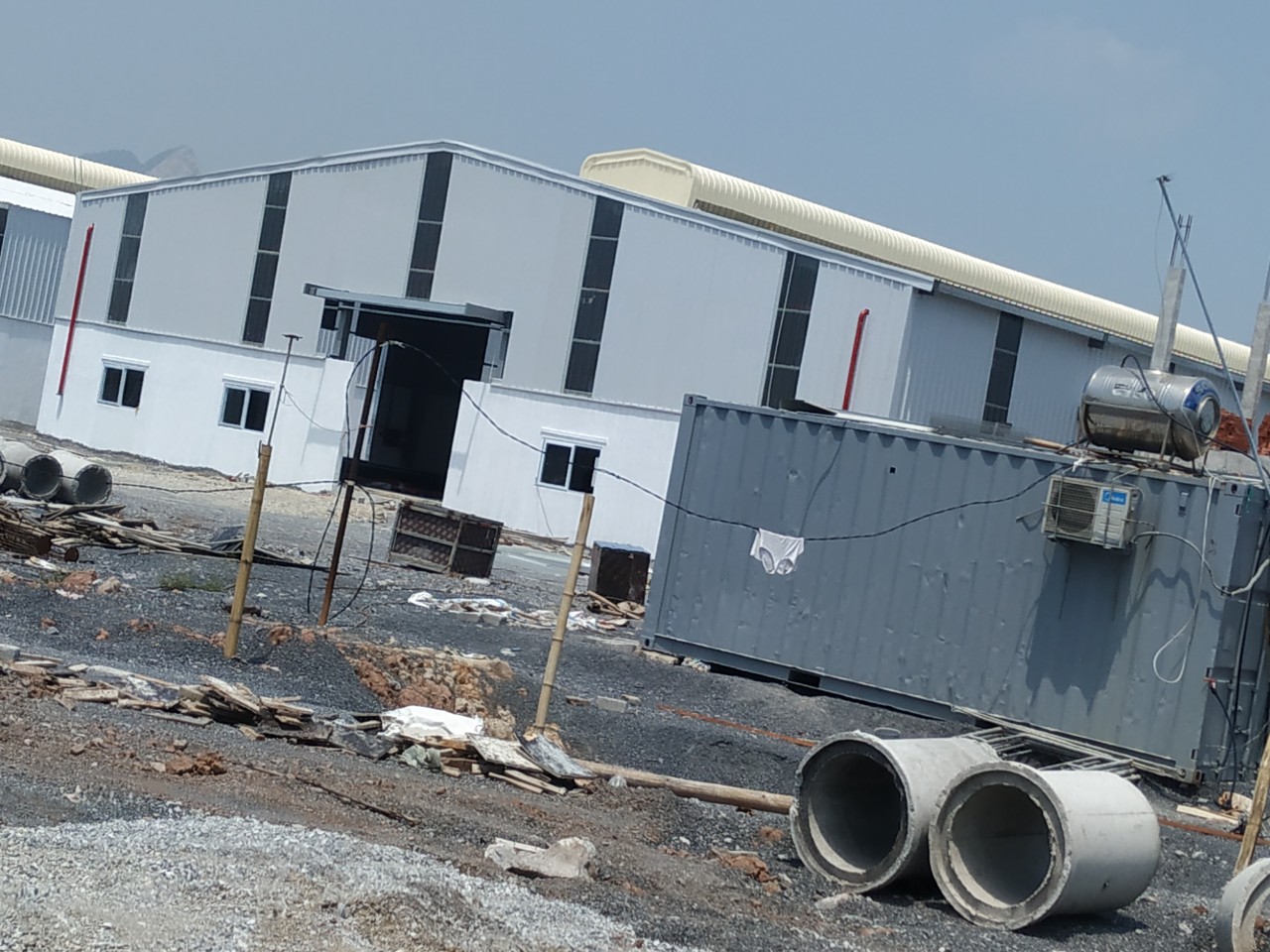
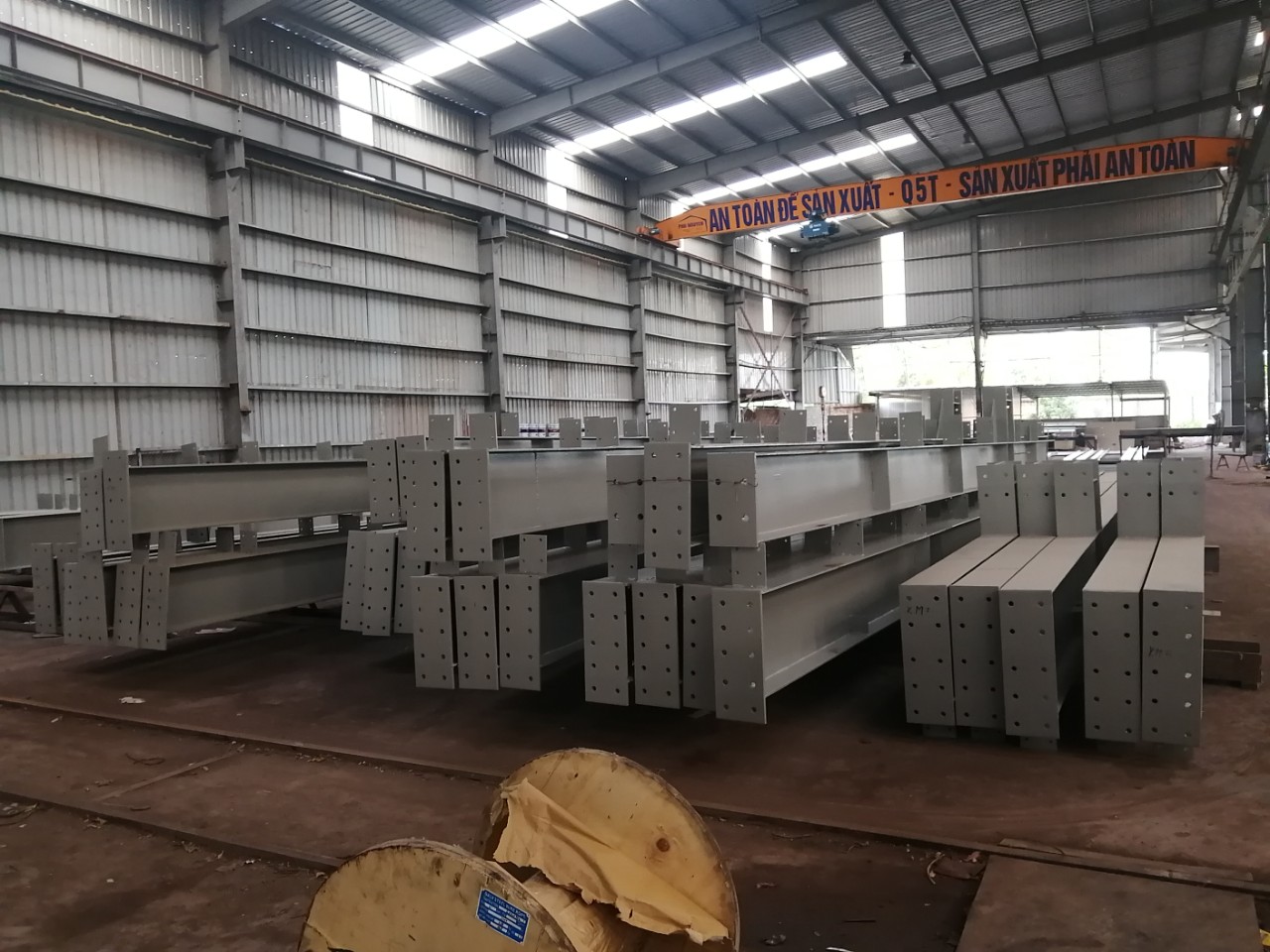
Structure of a Prefabricated House
A prefabricated house consists of two main parts: the primary structure and the secondary structure. Each part plays a crucial role in ensuring the overall quality of the construction. Unlike traditional houses, prefabricated houses primarily use lightweight steel for their structural framework.
Main Structure
- Foundation: Different projects require careful consideration of the type of foundation (e.g., shallow or deep). Larger structures necessitate more robust and deeper foundations compared to smaller ones.
- Frame: The frame of a prefabricated house includes columns, beams, and trusses. Engineers design this framework to ensure it can withstand the loads imposed by the building. The quality of the frame is critical, as it directly affects the overall quality and stability of the structure. Therefore, it is essential to choose reputable and experienced companies for the design and construction of prefabricated houses.
Secondary Structure
A complete construction cannot be without secondary structures. These include various elements such as bracing, purlins, partitions, floors, and roofs. Selecting appropriate materials for these components is vital to the overall quality of the building. This is why secondary structures are indispensable and must meet high-quality standards.
Advantages and disadvantages of prefabricated house
Advantages of Prefabricated Houses
It’s no surprise that prefabricated houses have gained popularity and trust among many investors, especially in a country where concrete construction is still the norm. Here are some key advantages of prefabricated steel houses:
- Low Construction Costs: Prefabricated houses can significantly reduce material costs because the steel frame can bear loads more efficiently than traditional building materials.
- Short Construction Time: Steel is known for its excellent load-bearing capacity and ease of shaping. With the entire assembly being manufactured in a factory, the overall construction time is greatly reduced.
- Good Water Resistance: The roofing system is designed to ensure proper water drainage, utilizing waterproof and heat-resistant materials effectively.
- High Durability: Contrary to the belief that prefabricated houses are only suitable for temporary structures, they can have a lifespan of up to 100 years.
- Diverse Designs: Prefabricated houses are available in various designs that are not only aesthetically pleasing but also reflect individual styles.
- High Degree of Industrialization: This is evident in large-scale industrial projects where speed and quality are paramount, making prefabricated houses an excellent choice.
- Ease of Expansion: Many projects may require expansion after some time. The modular structure of prefabricated houses makes it easy and cost-effective to enlarge.
- Spacious Usable Space: With the ability to span large distances without the need for central supporting columns, prefabricated houses offer significantly better usable area compared to traditional construction methods.
These advantages make prefabricated houses a compelling option for modern construction needs!
Disadvantages of Prefabricated Houses
No construction method is 100% perfect, and prefabricated houses are no exception. While they have many outstanding advantages, there are also some minor disadvantages to consider:
- Limited Fire Resistance: While it’s not accurate to say that steel is not fire-resistant, extremely high temperatures can affect the quality and lifespan of the metal.
- Susceptibility to Rust: Steel can be prone to rust and corrosion if not properly treated. However, modern coatings and paints effectively protect against oxidation and deterioration.
- Increased Maintenance Needs: Prefabricated houses may require more frequent maintenance compared to traditional reinforced concrete buildings, potentially leading to higher maintenance costs.
These are some of the disadvantages associated with prefabricated houses. However, with the continuous advancement of technology, many of these issues are being effectively addressed. Therefore, there is little reason not to consider constructing prefabricated buildings!
Common Applications of Prefabricated Steel Houses
- Commercial Prefabricated Houses
As mentioned earlier, prefabricated houses offer numerous advantages, making them ideal for commercial projects such as shopping centers, supermarkets, and exhibition halls. These commercial prefabricated structures are designed with spacious interiors and multiple floors while meeting strict aesthetic standards.
- Industrial Prefabricated Houses: Factories, offices, companies, and schools often choose prefabricated steel construction for their buildings. This method meets the quality and functional requirements of large industrial projects effectively.
- Residential Prefabricated Houses: Not only industrial structures, but residential prefabricated houses are also gaining significant attention from homeowners. With fast completion times, lower investment costs, and a variety of attractive designs, prefabricated houses are an excellent choice for living spaces.
- Single-Storey Prefabricated Houses: Single-storey prefabricated models are quite popular and suitable for both residential and resort business models. Their standout features include rapid construction times and low investment costs, making them accessible to a wide range of customers. There are many diverse designs available to match individual styles.
- Two-Storey Prefabricated Houses: Two-storey prefabricated steel houses are ideal for investors with limited land space or for small business models. Beyond two stories, there is also increasing interest in three-story and multi-story prefabricated designs, especially in densely populated urban areas.
- Prefabricated Warehouses: Prefabricated warehouses and storage facilities are common structures that maximize usable space without excessive construction time or costs. This efficiency is highly desirable for any investor. Given the current demand, prefabricated warehouse designs have become more varied and sophisticated.
- Two-Pitched Prefabricated Houses: Two-pitched prefabricated houses offer a unique aesthetic appeal. Many traditional designs feature this style, so if you’re interested in prefabricated housing, this design is worth considering.
Quotation for Prefabricated House Design and Construction
The cost of designing and constructing a prefabricated house is influenced by various factors, including scale, location, area, and design. Additionally, it depends on the construction timeline and the materials chosen by the client.
For a detailed and specific quotation, please contact us directly at our hotline: 0901827888. Our consulting team is always ready to answer any questions you may have.
Phu Nguyen Steel – A Trusted Company Specializing in Prefabricated House Design and Construction
Phu Nguyen Steel is currently one of the leading companies in the prefabricated house design and construction market, known for its high credibility. With over 20 years of experience, we provide comprehensive and quality solutions for prefabricated houses at competitive prices. Here’s what we offer to ensure customer satisfaction:
Highly Qualified Design Team: Our designers and engineers possess extensive expertise and experience in the prefabricated construction field.
Dedicated Consultation Staff: Our enthusiastic consultants are well-informed and ready to address any inquiries at no charge.
Large-Scale Production Facility: Our manufacturing plant adheres to European standards for prefabricated components.
Competitive Pricing: We offer some of the most competitive design and construction prices in the market.
Timely Project Completion: We guarantee the delivery of projects on schedule as agreed upon.
By now, you should have a clear understanding of what prefabricated houses are and the outstanding advantages of this modern construction method. We hope that Phú Nguyễn Steel can accompany you in your upcoming construction projects, helping you achieve a beautiful prefabricated house that reflects your style.
 Chat với tư vấn viên
 Gọi ngay